Unique Challenges of Sanctuary-Seeking Children in Foster Care
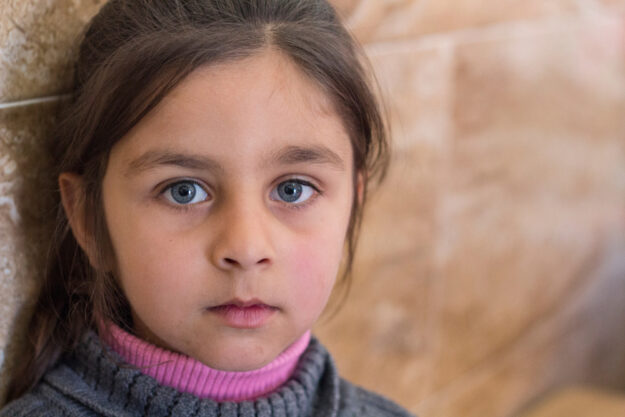
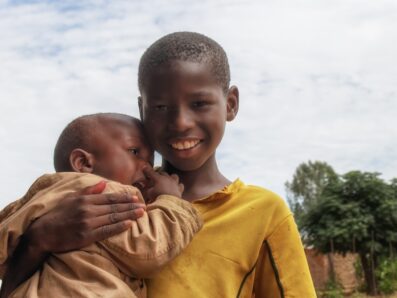
Sanctuary-seeking children arrive in the UK with courage—but also grief, trauma, and uncertainty. In this blog, we explore the challenges faced by unaccompanied asylum-seeking children in care and how foster parents can support them with empathy, understanding, and a safe space to rebuild their lives.

Every day, children across the world are living in countries where their safety is at risk from threats like war, natural disasters, violence, or persecution. As a result, many have no choice but to leave everything behind to find safety in another country.
In March 2024, Department of Education figures revealed that there were 7,380 unaccompanied asylum-seeking children considered looked-after in England. Although these children have found the safety they were looking for, they now face a new set of challenges every day.
From the trauma of their experiences and the grief of missing their families to learning the language and getting to grips with a new culture, in this article, we explore what it’s like to be a sanctuary-seeking child and how, as a foster parent, you can support them.

The realities of fostering sanctuary-seeking children
Whether you foster a child seeking sanctuary for a short time through emergency foster care or for an extended period through short-term or long-term fostering, here are some of the challenges they could face when they move into your home.
Coping with trauma
Asylum-seeking children have often been through the unimaginable. From losing friends and family members to leaving everything they’ve ever known behind, these experiences leave a lasting imprint on their well-being – this is called trauma.
When these children move to the UK and into a foster home, the effects of these experiences won’t simply vanish. They stay with them, impacting their mental and physical health, behaviour, emotions, and relationships.
As their foster parent, you’ll help them heal from their trauma, turning their view of the world from this frightening place where they have to be on edge to protect themselves, to somewhere they can be children again.
This process won’t happen overnight and won’t be linear either; they’ll experience highs and lows, but knowing you’re by their side, offering your stability, patience, and love, will go a long way.
Learning a new language
Although English is one of the most spoken languages in the world, a sanctuary-seeking child might only have a limited vocabulary.
Couple this with the impact trauma can have on the way a child expresses themselves, and it could be difficult for them to communicate their thoughts, feelings, and needs when they move into your home.
As a foster parent, you’ll help them learn the language and develop healthy ways of expressing themselves. This takes time, but it will make it easier for them to communicate effectively and connect with others, benefiting their relationships at home, school, and work when they reach adulthood.
Adjusting to a different culture
When a sanctuary-seeking child moves into a foster home in the UK, they’ll need time to adjust to the culture. From the way we relate to each other and celebrate traditions to the food we eat and the clothes we wear, our culture might be very different to what they’re used to.
For example, at Christmas, most of the UK is transformed into Santa’s grotto. This means even if you don’t celebrate this Christian tradition, you’ll still come across festive displays in places like supermarkets, schools, and restaurants.
This might feel incredibly overwhelming for a sanctuary-seeking child, as they try to come to terms with their situation and understand traditions that might feel alien to them.
As a foster parent, you’ll slowly introduce them to British customs while supporting their sense of identity by exploring their culture together.
Starting school
When an asylum-seeking child starts school in the UK, they could be behind their peers and need additional support to help them achieve.
The combination of trauma, language barriers, and cultural differences could make it difficult for them to manage the school day. They may also come from a country with limited access to education, have been taught differently, or missed big chunks of schooling as they made their journey to the UK.
As a result, they’ll need your support, as their foster parent, to help them settle into school life, catch up with their education, and build confidence in themselves.
Navigating the asylum system
It can take years for an asylum-seeking child to receive refugee status, which grants them the right to remain in the UK. This can be an anxious time for these children as they worry about what their future may hold.
As a foster parent, you’ll support them as they navigate the asylum system, holding their hand as they process their emotions, and helping them look to the future with hope rather than fear.
Dealing with prejudice
While many people in the UK welcome sanctuary-seeking children with open arms, we’re living in turbulent times, which have left society divided.
Sadly, this means that if you foster an asylum-seeking child, on top of all the other challenges they face, they could also encounter discrimination.
In fact, in 2021, the Anti-Bullying Alliance found that 1 in 4 refugee children had experienced bullying. This means, as their foster parent, your foster child will need your advocacy to prevent bullying from happening and to put a stop to it if it does.
Supporting a sanctuary-seeking child
At ACS, we recognise the challenges sanctuary-seeking children and the foster parents who care for them face. That’s why we offer the following support:
- Regular supervision: You’ll have your own dedicated supervising social worker who’ll help you manage the highs and lows of fostering. They’ll offer their advice, guidance, and help identify additional support and training if needed.
- Community groups: We have excellent links to local community groups, including mosques, synagogues, and churches. For example, if you foster a Sikh child, we’ll make sure they have access to their local gurdwara where they can practice their faith, receive additional support, and build connections within their religious community.
- Matching: Wherever possible, we’ll match children with foster families who share the same religion, language, and culture. During the assessment, we’ll also take note of your preferences so you’re matched with a child who’ll fit in well with your family.
- Training: Our training equips you with the knowledge, skills, and confidence to foster children from all backgrounds. If you’re matched with a child who doesn’t share the same religion, culture, or language, you’ll receive training so you know how to support them.
- Local teams: Each of our offices have an expert team, including social workers, trainers, administrative support, and management, who are all here to help you and your foster children thrive.
- Peer group meetings: Whether you need advice on the asylum-seeking process or want to learn more about your foster child’s religion or culture, our support groups help you connect with other foster parents, where you can learn from each other and share experiences.
- Online resources: From our Young People’s Guides, which are available in several languages, to The Exchange, our foster parent platform, we have a library of online resources available 24/7.
- Fostering allowance: All our foster parents receive a generous fostering allowance that’s typically tax-free.
Learn more about sanctuary-seeking fostering
If you want to make a real difference in the lives of children and young people who’ve lost everything and need help rebuilding their lives in the UK, call us on 0800 9177 937 to learn more about sanctuary-seeking fostering.
Alternatively, submit an online enquiry form and we’ll contact you to discuss how to become a foster parent, from the assessment process and training to fostering allowances and welcoming your first child.